Leave Your Message

How to Choose Pin Headers for Global Sourcing in 2026?

Global sourcing in 2026 demands more than comparing unit prices for a Pin Header. Buyers must assess electrical performance, mechanical fit, material quality, and supplier reliability together. A low-cost connector can become expensive when plating wears, pins bend, or delivery stops unexpectedly.

This guide explains how experienced procurement teams evaluate pin headers across international markets. It considers pitch, contact count, insulation material, mounting direction, current rating, and operating temperature. A 2.54 mm header may suit a standard control board, while a compact 1.27 mm version can support tighter layouts. Small details matter. Very much.

Reliable sourcing also depends on evidence. Request current datasheets, inspection reports, sample approvals, and clear production tolerances. Check whether the supplier can maintain consistent solderability across repeated batches. Factory audits, traceable quality records, and realistic lead-time commitments provide stronger confidence than polished product photos. International shipping conditions, packaging strength, and communication speed deserve equal attention.

No checklist catches everything. A sample may pass while bulk production reveals uneven pins or fragile housings. That uncomfortable possibility should shape the purchasing process. Build approval criteria before negotiating price, and test samples under actual assembly conditions. This approach reduces avoidable rework and supports more dependable supplier decisions. The best choice is not always the cheapest Pin Header. It is the one that performs consistently, arrives predictably, and fits the product’s long-term requirements.
How to Choose Pin Headers for Global Sourcing in 2026?

Define Pin Header Types, Configurations, and Key Specifications

How to Choose Pin Headers for Global Sourcing in 2026?

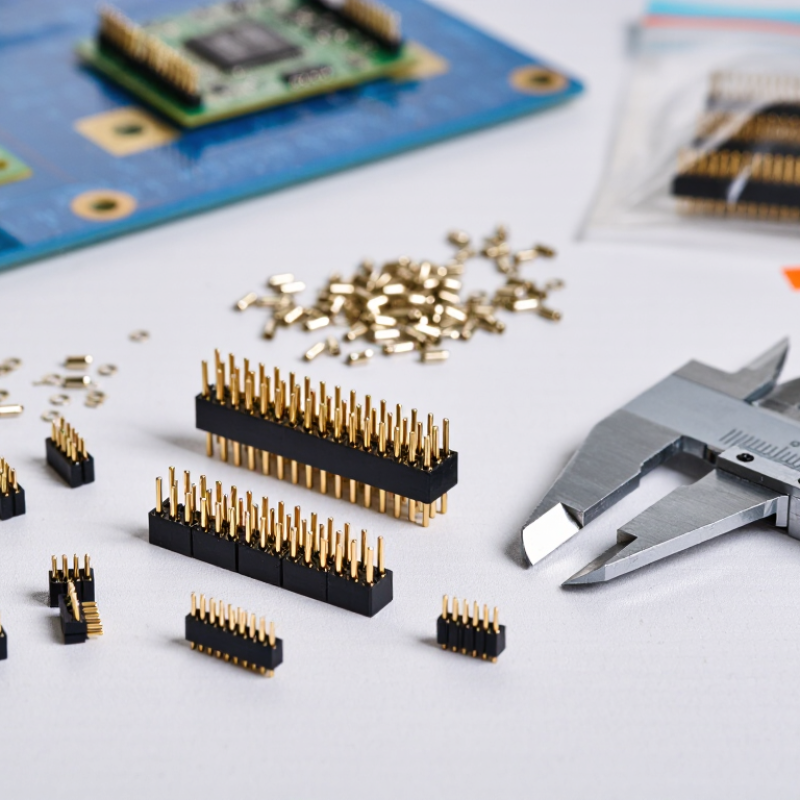
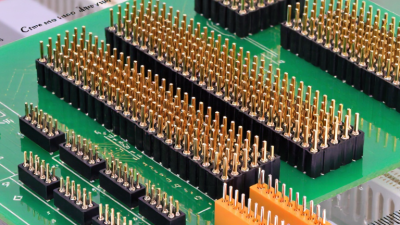
Pin headers start with type and configuration. Choose vertical or right-angle bodies for the board layout. Select one or two rows, then define 1xN or 2xN positions. Common pitches include 2.54 mm, 2.00 mm, and 1.27 mm. Through-hole headers suit mechanical stress. Surface-mount versions save space. Shrouded headers improve polarization and reduce mating errors. Spacing matters.

In sourcing reviews, I verify current rating, voltage rating, contact resistance, insulation material, temperature range, and mating cycles. Gold, tin, or selective plating changes cost and durability. IEC 60603-13 provides useful connector interface guidance. Bishop & Associates’ 2024 Global Connector Market Handbook valued worldwide connector revenue at roughly US$84 billion in 2023. That scale means small specification mistakes can multiply across global production.

The WSTS Spring 2024 forecast expected semiconductor sales to reach US$687.4 billion in 2025. More boards will need compact, traceable interconnects. Ask suppliers for dimensional tolerances, coplanarity data, flammability ratings, and inspection records. Confirm whether the stated current rating applies per contact or per header. It often does not. I sometimes see buyers over-specify plating while ignoring insertion force. That is an expensive habit. A sample may pass visually but fail after repeated mating, vibration, or thermal cycling. Use drawings, test reports, and production samples together. Perfect paperwork is not enough.

Match Pin Headers to Electrical, Mechanical, and Environmental Requirements

How to Choose Pin Headers for Global Sourcing in 2026?

Match Pin Headers to Electrical, Mechanical, and Environmental Requirements

Pin headers should match the circuit, not merely the available catalog drawing. Check pitch, contact spacing, rated current, voltage, and insulation distance. A compact 2.54 mm header may suit a control board, while higher current paths need larger contacts or parallel pins. Confirm contact resistance after mating, not only before assembly. Plating thickness also affects durability during repeated connections. Request test reports and lot traceability from suppliers.

Mechanical fit deserves equal attention. Measure pin length, tail style, insulator height, and board-hole tolerance against the actual PCB. Right-angle headers can simplify cable routing, but they may interfere with nearby housings. Evaluate retention during vibration, especially when connectors are handled by operators. Samples can fit perfectly and still fail during automated insertion. That detail is easy to miss.

Environmental conditions change the selection quickly. For outdoor or industrial equipment, review operating temperature, humidity, salt exposure, and corrosion resistance. Choose suitable insulating materials and verify flammability documentation for the target market. Material declarations should match the production part, not an older sample. Ask for packaging that controls moisture and prevents bent pins during international transport. Inspect random samples on arrival. I would also repeat basic dimensional checks, even when supplier records appear complete. Trust is useful, but measured evidence is safer.

Evaluate Materials, Plating Options, and Manufacturing Quality

How to Choose Pin Headers for Global Sourcing in 2026?

When sourcing pin headers globally in 2026, material selection deserves more attention than unit price. A low-cost part can fail during insertion, soldering, or repeated mating. Start with the base metal. Brass offers good conductivity and cost control for general applications. Phosphor bronze provides stronger spring recovery and better fatigue resistance. Choose according to contact force, operating temperature, and expected mating cycles.

Plating changes long-term reliability. Tin plating suits economical connections with controlled storage and suitable soldering conditions. Gold plating performs better in low-level signal contacts and frequent mating environments. A nickel underlayer can improve adhesion and reduce diffusion. Request plating thickness, surface inspection results, and test methods in writing. Vague terms such as “premium finish” provide little technical protection.

Manufacturing quality requires more than visual inspection. Check pin pitch, terminal alignment, insulation dimensions, and retention force by lot. Useful records include dimensional reports, solderability results, mating-cycle tests, and material certificates. Confirm traceability from raw metal to final packaging.

I have seen specifications that looked complete but omitted burr limits and acceptable skew. That gap mattered during assembly. Recheck the drawing with the factory. Small details often decide whether automated placement runs smoothly or stops repeatedly. Availability also matters, but stable quality should lead the decision.

Verify Global Compliance, Packaging, and Supply Chain Reliability

How to Choose Pin Headers for Global Sourcing in 2026?

Compliance should be verified before comparing unit prices. Request material declarations for RoHS, REACH, and applicable halogen requirements. Check plating thickness, base material, flammability rating, and solderability records. IEC 60335 and IEC 60695 testing may matter for end-use applications. The International Trade Administration reports that regulatory differences remain a major barrier for small exporters. That warning applies to small components too. A familiar certificate may not cover every destination.

Packaging deserves equal attention. Pin headers can arrive with bent pins, oxidation, or mixed lots after long transit. Specify sealed moisture-resistant bags, clear lot labels, and separators for bulk shipments. Use ESD controls when the assembly process requires them, following IEC 61340-5-1. For transport validation, ISTA testing can expose weak cartons before production. UNCTAD’s Review of Maritime Transport 2024 states that ships carry over 80% of global trade by volume. Ports, delays, and handling matter.

Ask suppliers for batch-level inspection reports, change-notification procedures, and backup production capacity. Map the route, including customs handoffs and realistic lead-time buffers. McKinsey research estimates that major supply-chain disruptions lasting a month or longer occur about every 3.7 years. That feels abstract until one missing header stops a finished assembly. Dual sourcing helps, but it also creates more approval work. I would not treat it as automatic security. Audit packaging samples, traceability, and actual delivery performance before approving the drawing.

Compare Suppliers, Costs, Lead Times, and Long-Term Sourcing Risks

Choosing pin headers for global sourcing in 2026 requires more than comparing unit prices. Ask suppliers for mating-force data, plating thickness, dimensional tolerances, and production samples. A quotation of $0.01 less may hide higher inspection costs. Confirm whether tooling, packaging, and testing are included. For small headers, a single bent pin can stop an assembly line.

Lead time deserves equal attention. UNCTAD’s Review of Maritime Transport 2024 reported that maritime trade reached about 12.3 billion tons in 2023. It also highlighted continuing exposure to route disruption and freight volatility. Request separate production and transport estimates. Keep buffer stock for critical parts. Supplier location alone does not predict delivery performance. Port access, customs quality, and backup capacity matter more. The World Bank’s Logistics Performance Index 2023 also shows wide differences in shipment reliability across economies. Treat promised dates as evidence to verify, not facts to admire.

Long-term risk is harder to price. Audit process controls, material traceability, change-notification rules, and financial stability. Ask for at least two qualified sources. Maintain approved samples and inspect incoming lots against them. I would not rely on a supplier’s “10-year experience” claim without records. That sounds obvious, yet purchasing teams still accept attractive samples without testing full production batches. A practical scorecard should weigh cost, quality, lead time, capacity, logistics, and recovery plans. Some judgment remains imperfect. That is why quarterly reviews and small pilot orders are worth the inconvenience.