Why Choose Male Header Pins for Your Next Project?
When embarking on new electronic projects, selecting the right components is crucial. Male Header Pins are a popular choice among designers and engineers alike. These connectors provide reliable electrical connections in various applications. Reports from industry leaders reveal that over 70% of professionals prefer Male Header Pins for their versatility and robust performance.
However, while Male Header Pins offer many advantages, it is essential to address potential shortcomings. Some users report difficulties in achieving perfect alignment during assembly. This challenge can affect overall reliability. Despite this, advancements in manufacturing have improved the quality of these pins. Many have a durable build that withstands wear and tear, making them a dependable choice.
In an increasingly competitive market, understanding the nuances of Male Header Pins is vital. Professionals must consider both their strengths and weaknesses. Balancing these factors will lead to more successful project outcomes.
Understanding Male Header Pins and Their Functionality
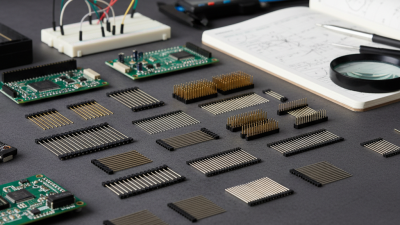
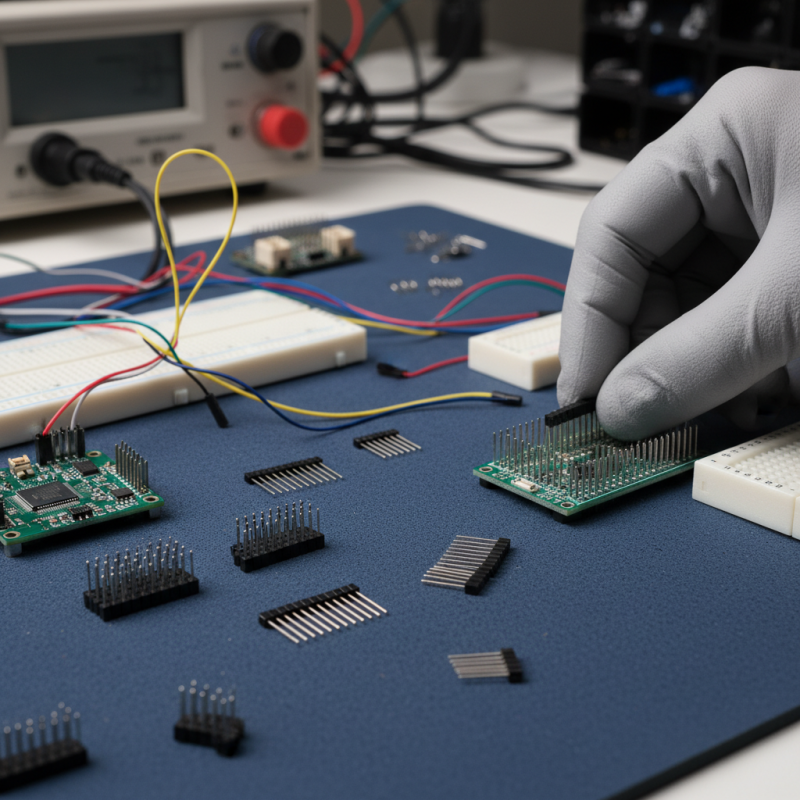
When selecting components for electronic projects, understanding the functionality of male header pins is essential. Male header pins are connectors that facilitate the connection between circuit boards. They feature protruding pins that plug into female connectors, making them user-friendly and easy to work with. Their simplicity allows for quick assembly, which is crucial in projects with tight timelines.
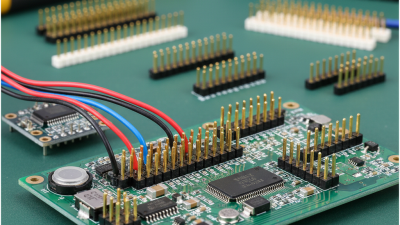
The design of male header pins supports a variety of applications, from prototypes to permanent installations. They are available in different sizes and configurations, accommodating various types of electronic boards. When soldering these pins onto a PCB, precision is key. Misalignment can lead to faulty connections. Many hobbyists struggle with this aspect, often reflecting on their setup after experiencing intermittent issues.
Moreover, choosing the right gauge and material is critical. Heavier-duty pins can handle more current but may require more careful installation. In contrast, lighter pins are easier to work with but may not support high power applications. Balancing these factors can be challenging. Not every project will require the same specifications. Each decision can affect the outcome of the project and contribute to the learning experience. Understanding these nuances is what enhances the reliability of your final product.
Advantages of Using Male Header Pins in Electronics Projects
When it comes to electronics projects,
male header pins are a top choice for many engineers.
The flexibility they offer makes them ideal for various applications. Male header pins allow easy connections between different components,
such as sensors and microcontrollers. This simplicity is crucial in prototyping, where time is often
limited.
According to a study by the Electronics Industry Association, over 65% of engineers prefer male header pins
because of their reliability. They provide a secure connection without the risk of loosening. This is essential for creating stable circuits that achieve consistent performance.
Moreover, these pins typically offer a higher pin count than alternatives, maximizing connection possibilities
in compact spaces.
However, some engineers have voiced concerns over the potential for misalignment during installation. This can lead to connectivity issues and requires careful handling.
Despite this, the advantages of using male header pins generally outweigh the negatives. Their durability and ease of use make them invaluable in both experimental setups and final designs.
Key Factors to Consider When Selecting Male Header Pins
When selecting male header pins for your project, it’s essential to consider specific factors. One of the crucial aspects is pin size and pitch. Standard pitches like 2.54mm or 1.27mm can significantly impact circuit compatibility. Ensure that your PCB design aligns with the pin's specifications for a reliable connection.
Another important consideration is current rating. Different applications require different current capacities. Using pins rated for higher currents than needed can lead to reliability issues. Check the specifications to find the best match for your project's demands. Inadequate current handling might lead to overheating or potential failures.
Durability is also vital. Look for pins made from robust materials to withstand wear and tear in a practical environment. This will ensure your project remains functional over time. Check for features like gold plating for enhanced conductivity. The wrong choice here can diminish performance and require costly replacements. These collective factors shape the choice of male header pins, guiding you toward successful projects.
Common Applications and Use Cases for Male Header Pins
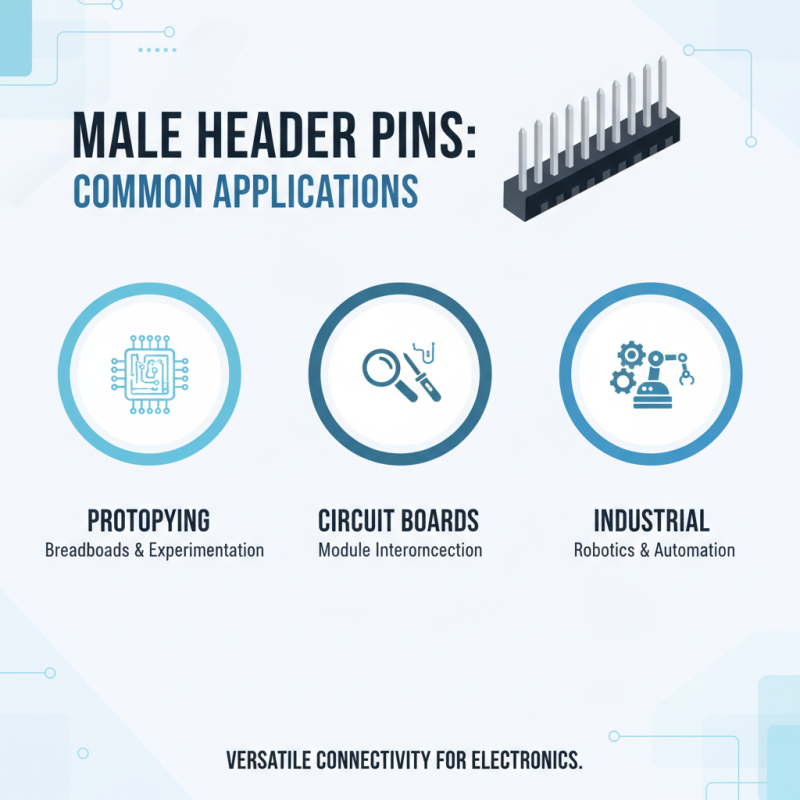
Male header pins are an essential component in various electronics projects. They play a critical role in establishing connections. These pins are mostly used in prototyping and circuit boards. Their versatility makes them suitable for different applications across industries.
One common use case is in microcontroller boards. For instance, hobbyists often use male header pins to connect sensors and modules. This allows for easy customization of their projects. Moreover, in robotics, these pins enable reliable connections between various parts. This practice simplifies the assembly process and enhances durability.
In addition to prototyping, male header pins are frequently employed in industrial equipment. They facilitate stable connections in complex systems. However, sometimes users overlook proper pin spacing. This oversight can lead to connectivity issues, affecting project performance. Understanding the layout and specifications is crucial for optimal functionality. Selecting the right male header pins ensures reliability in any project.
Installation Tips and Best Practices for Male Header Pins
When working with male header pins, installation can greatly influence performance. Pay attention to alignment and ensure pins are perfectly straight. Misalignment during insertion can lead to connectivity issues. Use a precise tool for insertion to avoid bending the pins.
Tips for installation include verifying the correct pin spacing. Too close or too far can cause problems. Measure accurately before starting. Additionally, consider using a mounting jig. This tool helps ensure that the male headers are positioned correctly. It can save time during the assembly process.
Another key detail is to avoid excessive force during installation. Overly tight connections can damage the pins. Periodically check if everything is aligned after initial setup. Careful attention to detail in each step can prevent issues later on. Keep these tips in mind for optimal results with male header pins.

 Email
Email WeChat