Why Choose High Frequency Connectors for Your Projects?
High Frequency Connectors play a vital role in modern technology projects. Choosing the right connector can influence the performance of electronic devices. These connectors allow efficient signal transmission, which is crucial for applications like telecommunications and data transfer.
High Frequency Connectors are designed to handle high-frequency signals. They minimize signal loss and interference. This feature enhances overall functionality. Projects that require reliability and speed benefit from using these connectors. However, selecting a suitable connector may be challenging. The variety available can be overwhelming, and making the wrong choice may impact project outcomes.
Investing time in understanding High Frequency Connectors is essential. Their unique specifications cater to various needs in different industries. Although there is much information available, not all connectors are created equal. Choosing wisely can ensure your project's success, leading to better performance and efficiency.
Advantages of High Frequency Connectors in Modern Applications
High frequency connectors play a crucial role in various modern applications. These connectors are essential in telecommunications, aerospace, and automotive sectors due to their ability to handle high-frequency signals efficiently. According to a recent market report, the demand for high frequency connectors is projected to grow by over 8% annually through 2025. This surge is primarily driven by the increasing need for faster data transmission and improved signal integrity.
One significant advantage of high frequency connectors is their ability to minimize signal loss. High-frequency operations often face challenges like reflections and attenuation. Using specialized materials, such as PTFE, can enhance performance. Additionally, these connectors are designed with precision to ensure reliable mechanical and electrical connections. According to industry experts, the right choice of connector can reduce signal degradation by up to 30%, dramatically improving overall system performance.
However, the use of high frequency connectors is not without challenges. They can be more expensive than standard options, which may limit their application in budget-sensitive projects. Furthermore, installation requires a skilled approach to minimize errors. Poor installation can negate the benefits of using high frequency connectors. Despite these challenges, their advantages in modern technology make them a vital choice for many projects.
Advantages of High Frequency Connectors in Modern Applications
Key Technologies Behind High Frequency Connector Design
High-frequency connectors play a crucial role in many advanced applications. Understanding the technologies behind their design can help you make informed decisions for your projects. These connectors are optimized for minimal signal loss and interference. They often incorporate materials that withstand high temperatures and provide durability over time.
One key technology is the use of improved dielectric materials. These materials reduce signal degradation and maintain performance at high frequencies. Engineers typically choose materials like PTFE (Teflon) for their excellent insulating properties. It’s vital to select the right dielectric based on your specific frequency needs.
Tip: Always consider the operating environment when selecting connectors. Certain materials may not perform well in extreme conditions.
A critical aspect of design is the connector's geometry. The shape and size directly affect impedance and performance. Precision machining allows for tighter tolerances, which can significantly enhance signal integrity. However, achieving these manufacturing standards can be challenging. Maintaining quality throughout production is essential to ensure reliability.
Tip: Validate your connector choices with thorough testing. Real-world applications can reveal unexpected performance issues that simulations may miss.
Factors Influencing the Choice of High Frequency Connectors
When selecting high frequency connectors, various factors play a crucial role in the decision-making process. One primary consideration is the frequency range the connector must handle. High frequency connectors can effectively operate in the gigahertz range, which is essential for applications like telecommunications and radar systems. According to a recent industry report, over 70% of designers prioritize frequency range when choosing connectors for RF applications.
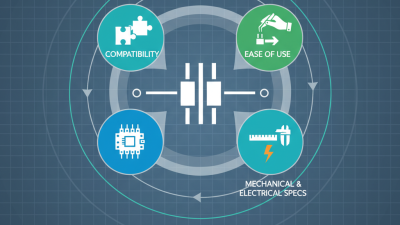
Cable type is equally important. The connector must match the cable’s impedance to minimize signal loss. Mismatched impedance can lead to reflections and degraded performance. A 2019 study highlighted that improper impedance matching can reduce signal integrity by up to 30%. This emphasizes the need for in-depth compatibility checks before finalizing the connector choice.
Tip: Always consult technical specifications of your components. This can prevent unforeseen issues. Review the manufacturer's guidelines for installation procedures to enhance reliability.
Additionally, connector durability and mechanical specification should not be overlooked. The operating environment can affect connector longevity. Conditions like moisture, temperature variations, and vibration impact performance. Connectors should withstand these challenges without compromising functionality. A case study revealed that poorly selected connectors led to a 25% increase in maintenance costs in industrial applications.
Tip: Evaluate the environmental factors where the connector will be used to ensure long-term success. Regularly revisit your design decisions to adapt to evolving project demands.
Comparative Analysis: High Frequency Connectors vs. Standard Connectors
High frequency connectors are specialized components designed for superior performance in demanding environments. They operate effectively at higher frequencies compared to standard connectors. This ability significantly reduces signal loss and improves data integrity. However, it’s essential to evaluate the specific needs of your project before deciding.
When comparing high frequency connectors to standard connectors, it's evident that the former offers advantages in applications like telecommunications and data transfer. High frequency connectors maintain stable performance in high-speed scenarios. They are often designed to handle greater bandwidths, which is crucial for modern applications. However, high frequency connectors can be more sensitive to environmental factors, making their installation complex.
While standard connectors may suffice for many basic applications, they can introduce more signal degradation in high-frequency scenarios. Choosing the right connector is critical and involves balancing performance with other factors. Cost and adaptability to different environments should also be considered. Not every project will benefit from high frequency connectors, so careful analysis is needed.
Common Industries Utilizing High Frequency Connectors
High frequency connectors play a crucial role in various industries. Telecommunications is one of the primary users of these connectors. In this sector, they facilitate the smooth transfer of signals at high frequencies. Reliable connections are vital in maintaining voice clarity and data integrity in communication systems. If connectors fail, it can lead to poor service. The stakes are high, and the costs of failure are significant.
Another industry where high frequency connectors are essential is aerospace. Here, connectors must withstand extreme conditions. They are used in avionics and satellite communications. The reliability of these connectors can directly impact safety. Engineers must ensure the connectors perform well under stress, which poses challenges during the design and testing phases.
High frequency connectors are also found in medical equipment. For diagnostic and imaging devices, precise signal transmission is critical. A malfunction can lead to incorrect diagnoses. This means that every detail matters in both design and application. Engineers in this field must be meticulous and aware of the potential consequences of connector failure.
Why Choose High Frequency Connectors for Your Projects? - Common Industries Utilizing High Frequency Connectors
| Industry |
Application |
Connector Type |
Key Benefits |
| Telecommunications |
Data Transmission |
RF Coaxial Connectors |
High bandwidth, low signal loss |
| Aerospace |
Communication Systems |
Circular Connectors |
Durability, resistance to harsh environments |
| Automotive |
Advanced Driver Assistance Systems (ADAS) |
High-Speed Connectors |
Reliability, compact design |
| Medical |
Diagnostic Equipment |
Miniature Connectors |
Space-saving, high performance |
| Consumer Electronics |
Smart Devices |
USB & HDMI Connectors |
Ease of use, widespread compatibility |

 Email
Email WeChat